

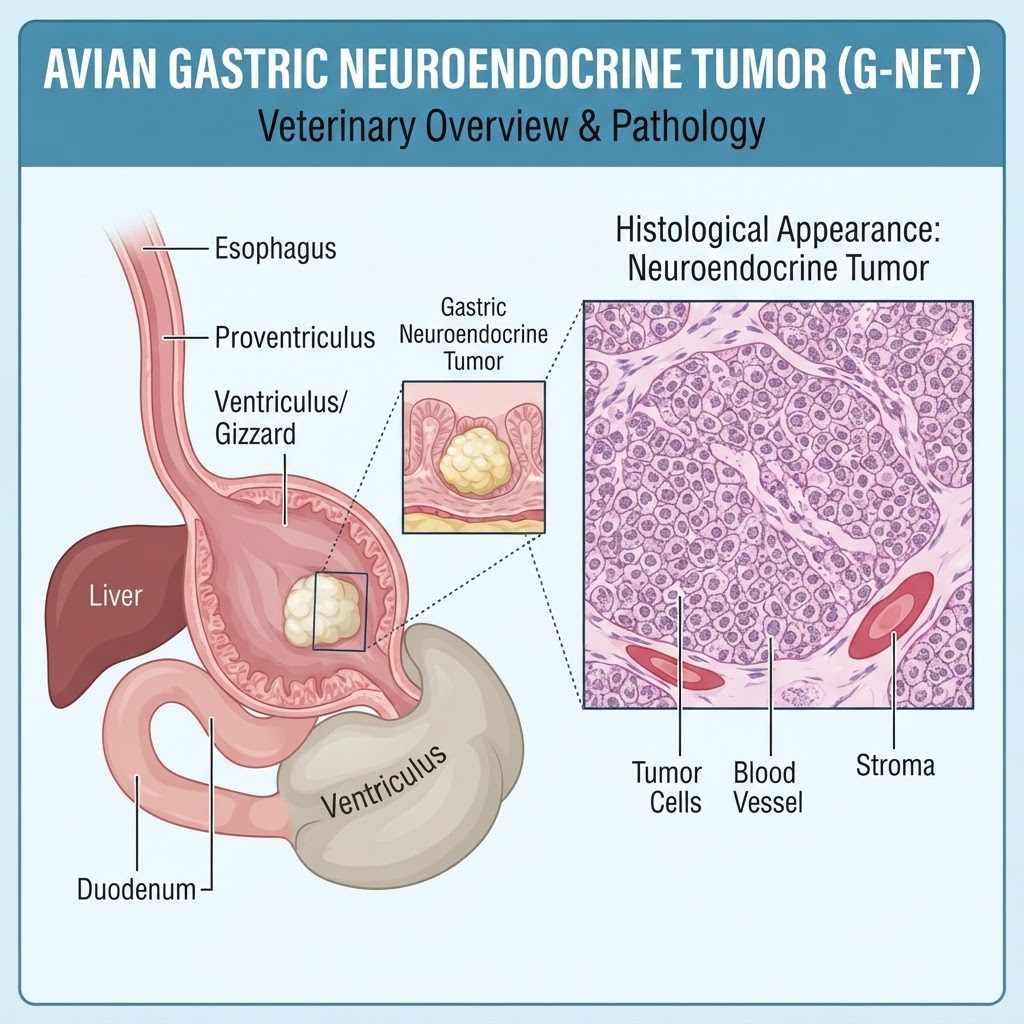
Understanding Avian Gastric Neuroendocrine Neoplasia
Avian gastric neuroendocrine tumors are primary malignancies that originate from the endocrine-active cells of the gastrointestinal wall. These structures, while rare, represent a significant diagnostic hurdle due to their insidious nature and their mimicry of common digestive disorders. Unlike a Gastric Carcinoma, these tumors produce hormonal signaling molecules that affect systemic physiology beyond the mechanical disruption of digestion.
Cellular Origins and Growth Patterns
These tumors develop within the neuroendocrine cell population found in the proventriculus (the glandular stomach) and ventriculus (the gizzard). They are generally classified as solitary, firm masses, though some forms can exhibit diffuse infiltration of the gastric mucosa. As the tumor expands, it compromises the structural integrity of the stomach wall, often leading to secondary ulceration and chronic bleeding.
Clinical Manifestations and Diagnostic Indicators
Identifying the clinical signs of a gastric tumor in a bird requires careful observation of subtle changes in behavior and droppings. Because birds are prey species, they frequently mask discomfort until the disease is advanced.
Common Symptoms
-
Regurgitation: Persistent effort to clear the throat or rhythmic shaking of the head.
-
Weight Loss: Progressive emaciation despite normal or increased food intake.
-
Melena: Dark, tarry droppings indicating upper gastrointestinal hemorrhage.
-
Coelomic Distention: Visible swelling or hardness in the abdominal region.
-
Lethargy: Reduced physical activity and diminished interaction with the environment.
-
Dysphagia: Difficulty in swallowing or passing food through the gastric lumen.
Emergency Warning Signs
If a bird exhibits acute respiratory distress or a complete cessation of appetite, this may indicate a Lung Tumor metastasis or a complete blockage of the gastric outflow tract, both of which require immediate veterinary intervention.
Etiological Factors and Risk Predispositions
While the exact cause of gastric neuroendocrine tumors in avian species remains poorly understood, researchers point to a combination of genetic predisposition and environmental triggers. Chronic irritation of the gastric mucosa, potentially linked to poor diet or high levels of environmental pollutants, may play a role in the oncogenic process. Unlike an Ovarian Tumor, which is often hormonally driven in female birds, the gastric variant appears to affect both sexes equally.
Species and Age Trends
There is a notable predisposition in older Psittacines, particularly African Greys and Cockatoos. These tumors are rarely documented in younger birds, suggesting that long-term cellular senescence or chronic cumulative damage may be precursors to tumor development.
Veterinary Diagnostic Procedures
Comprehensive diagnosis begins with a physical exam and is followed by advanced imaging. Veterinarians will typically utilize:
-
Radiography: To visualize coelomic mass effects and identify potential displacement of internal organs.
-
Endoscopy: Direct visualization of the gastric lining is the gold standard for spotting ulcerations or tumors.
-
Biopsy and Histopathology: Confirms the presence of endocrine markers such as Chromogranin A or Synaptophysin.
-
Blood Biochemistry: Helps monitor for paraneoplastic shifts in electrolytes or glucose levels, similar to how one might screen for an Insulinoma.
Therapeutic Interventions and Supportive Management
Treatment depends entirely on the extent of the disease and the species involved. Surgical intervention involves the resection of the gastric mass, though this is technically demanding due to the thin walls of the avian stomach.
Medication and Palliation
Chemotherapy and radiation therapy are considered experimental in birds with this condition. Instead, management focuses on supportive care, including specialized diets that are easy to digest, H2 receptor antagonists for ulcer management, and pain relief. In cases where the tumor is metastatic, palliative care is often the most humane course of action to ensure the bird's quality of life remains the priority.
