

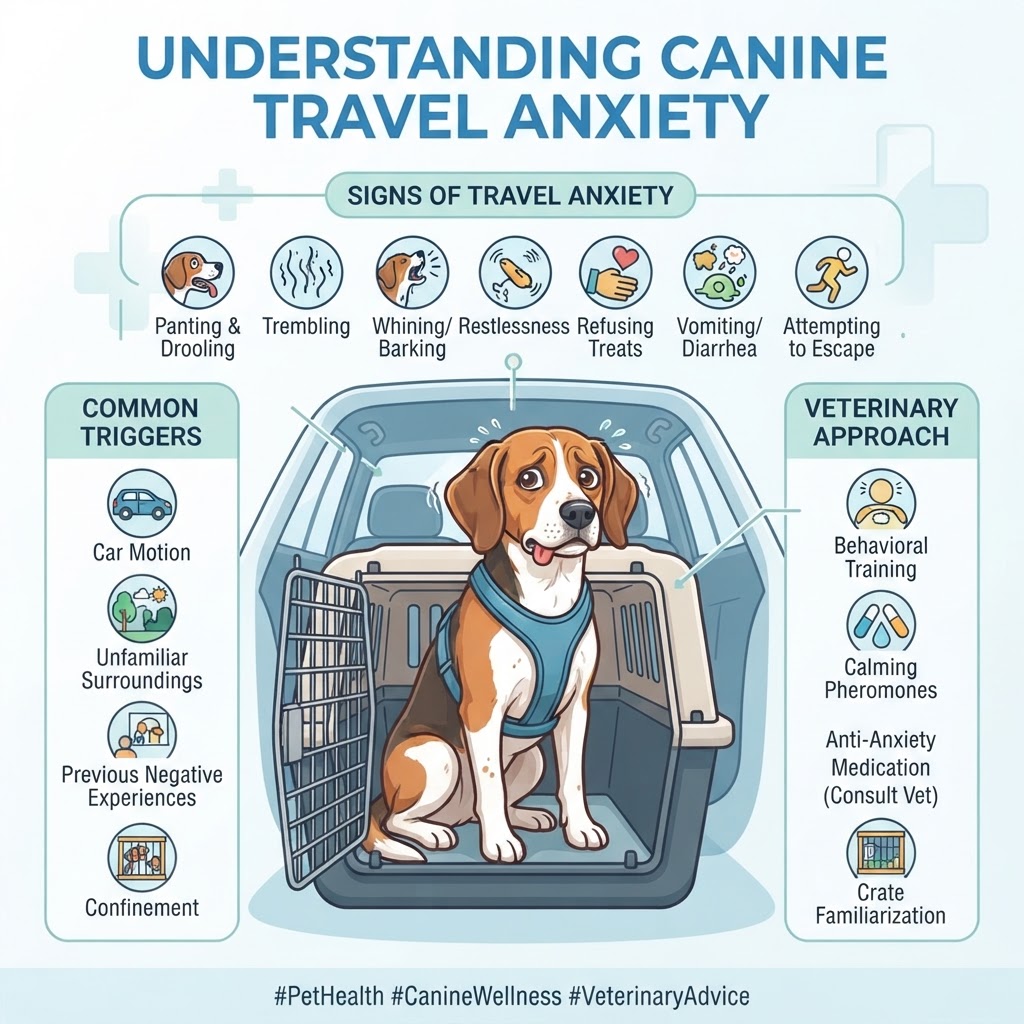
Understanding Travel Anxiety in Canines
Travel anxiety in dogs is a behavioral condition characterized by distress, fear, and often physical symptoms like nausea and vomiting, experienced when anticipating or during car rides or other forms of transport. It is a multifaceted issue that can stem from both physical discomfort and psychological unease associated with the travel experience.
Types of Travel-Related Distress
Travel anxiety can be broadly categorized into two main components:
- Motion Sickness: This is a physiological response triggered by the conflict between visual input and the vestibular system's signals. The brain receives conflicting information about movement, leading to nausea, vomiting, disorientation, and drooling.
- Anticipatory Anxiety/Fear: This is a psychological response, often learned, where the dog associates the vehicle or the act of traveling with negative experiences. This can be due to past traumatic events, lack of early positive socialization to vehicles, or co-occurring anxieties.
Recognizing Canine Travel Anxiety Symptoms and Warning Signs
Observing your dog's behavior before and during travel is key to identifying travel anxiety. Symptoms can range from subtle cues to overt signs of distress.
Early Indicators of Discomfort
- Pacing or restlessness
- Excessive yawning
- Lip licking or drooling
- Whining or whimpering
- Panting
- Ears held back or flattened
- Tucked tail
Moderate to Severe Anxiety Manifestations
- Trembling or shaking
- Vocalization (barking, howling)
- Destructive behavior (chewing car interior)
- Inappropriate urination or defecation
- Attempting to escape the vehicle
- Vomiting or nausea
- Refusal to enter the vehicle
Warning Signs of Severe Distress (Emergency Potential)
While true life-threatening emergencies from travel anxiety alone are rare, extreme panic can lead to secondary issues. If a dog becomes so distressed that they injure themselves trying to escape, or if they ingest something toxic while trying to escape, immediate veterinary attention is warranted. Persistent, severe vomiting can also lead to dehydration, which requires veterinary intervention.
Identifying Causes and Risk Factors for Travel Anxiety
Several factors can contribute to a dog developing travel anxiety, ranging from inherent predispositions to learned associations.
Predisposing Factors
- Lack of Early Socialization: Puppies not exposed to car rides in a positive manner during their critical socialization period (3-16 weeks) are more prone to developing fear.
- Negative Experiences: A single traumatic event, such as a frightening car ride, a severe bout of motion sickness leading to vomiting, or an accident, can create a lasting negative association.
- Underlying Medical Conditions: Conditions causing vestibular disturbances or gastrointestinal upset can be misinterpreted as travel anxiety, or can contribute to the development of travel anxiety due to the unpleasant physical sensations.
- Co-occurring Anxiety Disorders: Dogs with existing Separation Anxiety, Noise Phobia, or generalized anxiety disorders may be more susceptible to developing travel anxiety.
- Genetics: Some breeds may have a higher predisposition to nervousness or motion sickness.
Breed Predispositions
While any dog can develop travel anxiety, breeds known for higher anxiety levels, sensitivity, or susceptibility to motion sickness may be at increased risk. These can include breeds like:
- Herding breeds (e.g., Border Collies, Australian Shepherds)
- Terrier breeds
- Brachycephalic (short-nosed) breeds (e.g., Pugs, Bulldogs) are often more prone to motion sickness due to their respiratory anatomy, which can exacerbate anxiety.
Veterinary Diagnosis of Travel Anxiety
Diagnosing travel anxiety primarily involves a thorough history and physical examination, as there are no specific diagnostic tests for behavioral conditions. Veterinarians will rule out underlying medical causes first.
The Veterinary Consultation
A veterinarian will:
- Take a Detailed History: This includes questions about the onset of symptoms, specific behaviors observed, frequency, duration, and any potential triggers or past negative experiences.
- Perform a Physical Examination: This is crucial to rule out underlying medical conditions that could mimic or contribute to travel anxiety. The veterinarian will assess overall health, check for neurological deficits, ear infections (which affect balance), and gastrointestinal issues.
- Neurological and Vestibular Assessment: Specific tests may be performed to evaluate balance and coordination, helping to identify or rule out vestibular disorders.
Diagnostic Procedures
- Bloodwork (CBC/Chemistry Panel): To assess general health and screen for metabolic or organ system diseases that could cause nausea or disorientation.
- Urinalysis: To check for urinary tract infections or other systemic issues.
- Imaging (X-rays, Ultrasound): In some cases, imaging may be recommended to investigate gastrointestinal or neurological problems if suspected.
Ruling Out Differential Diagnoses
It's essential to differentiate travel anxiety from other conditions:
- Vestibular Disease: Especially common in older dogs, this condition affects balance and can cause severe dizziness and vomiting, mimicking motion sickness.
- Gastrointestinal Upset: Various illnesses (e.g., gastritis, pancreatitis, foreign body ingestion) can cause nausea and vomiting.
- Seizure Disorders: Certain types of seizures can manifest with unusual behaviors and disorientation.
- Pain: Discomfort from orthopedic issues or other painful conditions can make a dog unwilling to move or tolerate being confined.
- Other Anxiety Disorders: Conditions like Separation Anxiety or Compulsive Disorder might present with overlapping symptoms, requiring careful differentiation.
Treatment Options for Canine Travel Anxiety
A multi-modal approach combining behavioral modification, environmental management, and sometimes medication is the most effective way to manage travel anxiety.
Behavioral Modification Techniques
- Desensitization and Counter-Conditioning: Gradually exposing the dog to the car in a positive way. Start by simply rewarding the dog for being near the car, then for getting in, then for short drives. Associate the car with positive experiences like treats, praise, or favorite toys.
- Short, Positive Trips: Begin with very short drives (around the block) that end with a pleasant reward, such as a walk in the park or a favorite game. Gradually increase the duration as the dog tolerates it.
- Create a Safe Space: Make the car environment as comfortable as possible. Use familiar bedding, toys, and perhaps a pheromone spray (like Adaptil) designed to reduce anxiety.
Environmental Management
- Secure Restraint: Use a well-fitting harness with a seatbelt attachment or a secure crate. This prevents the dog from moving around excessively, which can worsen motion sickness, and provides a sense of security.
- Ventilation and Temperature: Ensure good airflow and a comfortable temperature in the vehicle. Avoid feeding a large meal immediately before travel.
Pharmacological Interventions
Veterinarians may prescribe medications to help manage symptoms:
- Anti-nausea Medications: Drugs like maropitant (Cerenia) are highly effective in preventing vomiting associated with motion sickness.
- Anti-anxiety Medications: For dogs with significant fear or anxiety, short-acting sedatives or longer-term anxiolytics may be prescribed. Examples include trazodone, gabapentin, or benzodiazepines for situational use, and SSRIs (like fluoxetine) or TCAs (like clomipramine) for longer-term management of generalized anxiety.
- Herbal and Natural Supplements: Some supplements, like L-theanine or specific calming chews, may offer mild support, but should be discussed with your veterinarian.
Recovery and Aftercare Timeline
Managing travel anxiety is often an ongoing process, with recovery defined by the dog's increasing comfort and tolerance of travel.
Phase 1: Initial Intervention and Symptom Reduction
- Timeframe: 1-4 weeks
- Description: Focus on reducing immediate symptoms (nausea, severe fear) with medication and starting foundational desensitization exercises. The goal is to make the dog feel safe and less distressed in and around the car.
Phase 2: Building Positive Associations
- Timeframe: 4-12 weeks
- Description: Gradually increase the duration and complexity of positive exposures to the vehicle. Short, successful trips are prioritized. Behavior modification techniques are actively implemented.
Phase 3: Sustained Tolerance and Independence
- Timeframe: 3-6 months (or ongoing)
- Description: The dog shows consistent comfort during typical car rides. Medication may be reduced or discontinued based on veterinary guidance. Continued positive reinforcement during travel is important to maintain progress.
Phase 4: Long-Term Management and Relapse Prevention
- Timeframe: Ongoing
- Description: Travel anxiety is managed effectively. Occasional 'booster' sessions of positive reinforcement or short trips may be needed, especially if there's a prolonged break from travel. Monitoring for any recurrence of symptoms is important.
Prevention Strategies for Travel Anxiety
Proactive measures during a dog's early life can significantly reduce the likelihood of developing travel anxiety.
- Early and Positive Socialization: Introduce puppies to car rides from a young age (once cleared by a vet after vaccinations). Start with short, positive experiences, pairing the car with treats, praise, and fun destinations. Make the car a place associated with good things.
- Gradual Introduction: If adopting an adult dog with a history of fear or anxiety, approach car introductions slowly and patiently, using positive reinforcement.
- Address Motion Sickness Proactively: If your dog is prone to motion sickness, discuss preventative medication with your vet before travel, even if they don't show overt anxiety.
- Consistent Routine: Try to maintain a consistent routine for travel, including feeding schedules and potty breaks, to minimize overall stress.
When to Seek Emergency Veterinary Care
While most travel anxiety issues can be managed with routine veterinary visits and behavioral modification, certain situations warrant immediate attention.
Decision Framework
-
Seek IMMEDIATE Emergency Care if:
-
Your dog has experienced a severe accident or trauma while traveling.
-
Your dog is showing signs of severe dehydration due to persistent vomiting.
-
Your dog has ingested a toxic substance while panicked in the car.
-
Your dog has self-inflicted significant injuries trying to escape the vehicle.
-
Schedule a ROUTINE Veterinary Appointment if:
-
You observe new or worsening symptoms of anxiety (trembling, excessive panting, vocalization).
-
Your dog experiences repeated episodes of vomiting or excessive drooling during car rides.
-
Your dog is refusing to enter the car or shows extreme reluctance.
-
You suspect an underlying medical condition is contributing to the travel issues.
Severity: Travel anxiety can range from mild discomfort to severe panic, impacting the dog's well-being and ability to participate in family activities.
Is Contagious: No, travel anxiety is a behavioral and physiological response specific to the individual dog and is not contagious.