

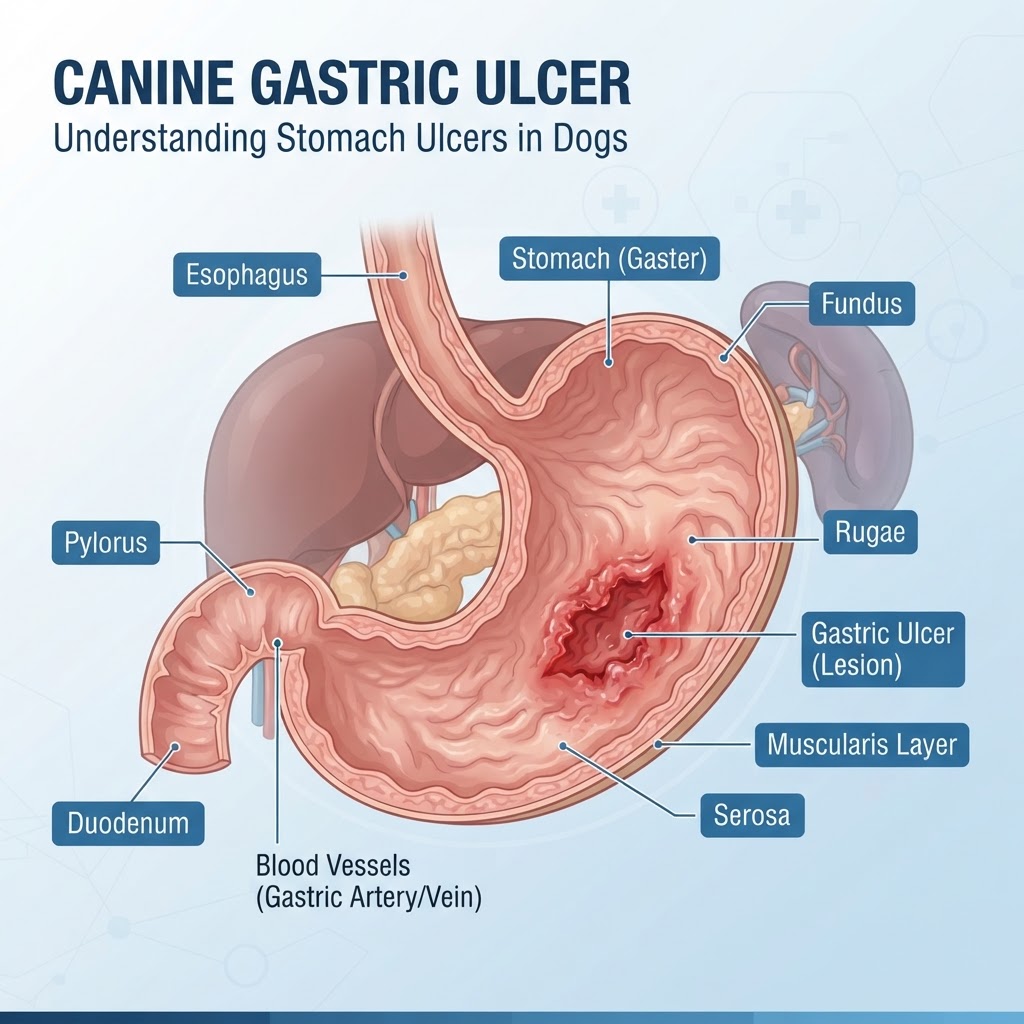
Understanding Gastric Ulcer Pathophysiology
Gastric ulcers in dogs are focal lesions occurring within the gastric mucosa. The stomach maintains a delicate environment where the pH is low enough to digest complex proteins but balanced by protective bicarbonate layers. When this barrier is compromised, Gastritis often acts as a precursor. Chronic inflammation can progress to deeper ulceration if the protective prostaglandins, which regulate mucosal blood flow, are inhibited by medications or metabolic disease.
Types and Classifications
Ulcers are categorized by their depth and the severity of the associated systemic disease. Superficial erosions affect only the epithelial layer, while peptic ulcers penetrate deeper into the vascularized layers of the gastric wall. Furthermore, clinicians often classify ulcers based on their underlying cause, such as drug-induced, metabolic-induced, or neoplasia-associated ulceration.
Clinical Manifestations and Diagnostic Indicators
Recognizing the signs of gastric ulcers requires careful observation of a dog’s behavior and digestive habits. Early warning signs are often non-specific, but as the lesion deepens, symptoms become more pronounced.
Red-Flag Indicators for Emergency Care
If you observe dark, tarry stools, known as melena, this is a hallmark of upper gastrointestinal bleeding. Similarly, the presence of 'coffee ground' emesis or bright red blood in vomit indicates active bleeding within the stomach. These signs, combined with pale gums, rapid heart rate, or collapse, warrant an immediate trip to the emergency veterinarian as they may mimic symptoms of a Gastrointestinal Obstruction or severe Enteritis.
Diagnostic Protocols
Veterinarians use a systematic approach to confirm a diagnosis and rule out other causes of abdominal discomfort.
Imaging and Gastroscopic Evaluation
Diagnosis often begins with abdominal ultrasound to check for evidence of perforation, a Splenic Mass, or other anatomical abnormalities. In some cases, a fiber-optic endoscopy is performed, which allows the veterinarian to visualize the stomach lining directly and potentially take biopsies to differentiate between simple ulcers and more serious conditions like gastric adenocarcinoma.
Treatment Strategies and Therapeutic Goals
Treatment focuses on reducing the aggressive factors in the stomach while supporting the natural healing process.
Pharmacological Intervention
Proton pump inhibitors and H2 receptor antagonists are standard therapy to suppress acid production. Sucralfate is frequently used as a 'gastric bandage,' providing a protective layer over the ulcerated tissue. If the dog is showing signs of secondary Gastroesophageal Reflux, prokinetic medications may also be added to the regimen.
Recovery, Management, and Prevention
Following the initial stabilization, long-term dietary management is essential. Low-fat, easily digestible diets reduce the workload on the stomach lining. For pets on chronic medication, such as NSAIDs, veterinarians will perform routine blood monitoring to ensure that systemic markers of health remain within normal limits. Prevention relies primarily on the judicious use of medications and the early management of comorbid diseases.
